
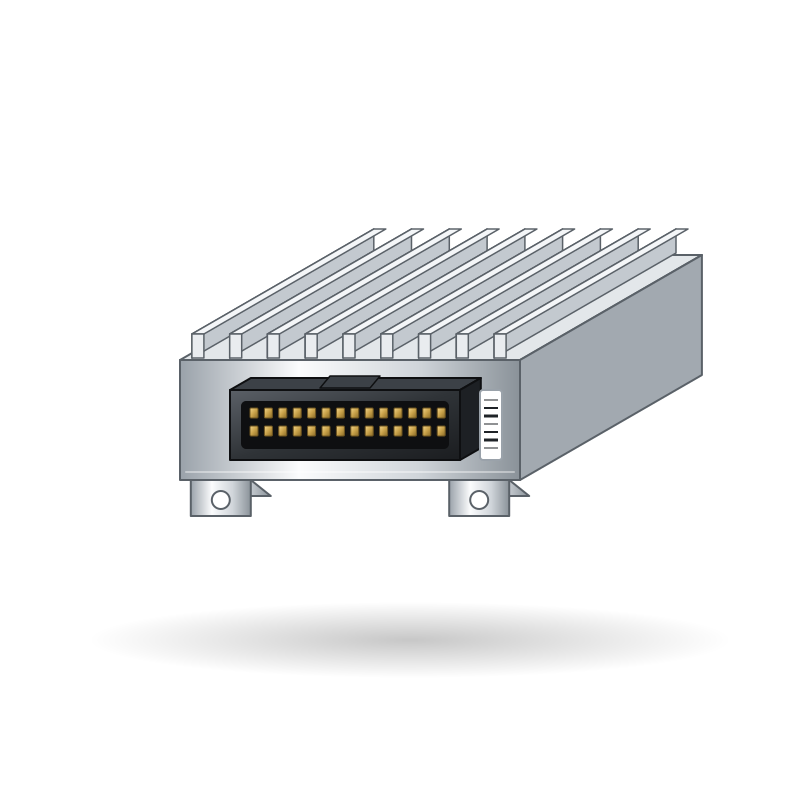
The ECU (engine control unit) is the computer of a fuel-injected bike. It is a sealed box with one large multi-pin plug, usually under the seat or a side cover. On the K-Light 125 it controls both fuel injection and ignition, through a 34-pin connector.
What it does
The ECU reads the crank sensor, throttle, pressure and temperature sensors and the oxygen sensor. It then sets injector opening time, spark timing and idle air. It runs the fuel pump and lights the engine warning light when it sees a fault, storing a code. True ECU failure is rare; most faults are in sensors, wiring, plugs and earths. Voltage spikes, jump starts from a car, reverse polarity and water can damage it.
Signs it is worn or failing
- Engine warning light on, or not lighting at all at key on.
- No spark and no pump prime, with good fuses, power and earth.
- CDI or ECU suspected faulty.
- Diagnostic tool cannot talk to the ECU.
When to replace it
Only after a workshop has checked power, earth, sensors and wiring with the model's diagnostic tool, and a known-good unit cures the fault. A new or used ECU may need coding or matching to the bike and immobiliser.
What to match when buying
- Match the part number and software version on the label. ECUs that fit the same plug can have different fuel maps.
- Used ECUs from another bike may not work if the bike has an immobiliser.
- Avoid "remapped" or tuning ECUs on a commuter; they can raise fuel use and engine heat.
Fitting notes
- Workshop job: Diagnose a suspected CDI or ECU fault, Read engine fault codes.
- Key off before unplugging any connector or the battery; the K-Light manual warns this can damage the ECU.
- After fitting, the idle may need to relearn: Reset the idle.
Reference (K-Light 125)
| Item | Value | PDF page |
|---|---|---|
| Connector | 34 pin | 266 |
| Supply range | 9 to 16 V DC | 255 |
| Ignition timing | 15° ± 1° BTDC at idle, fixed in ECU | 49 |
| Diagnostic tool | 16-pin port; battery at least 8.5 V | 272 |