
Home mechanic (basic tools) · Time: 20 to 45 min (estimate) (estimate)
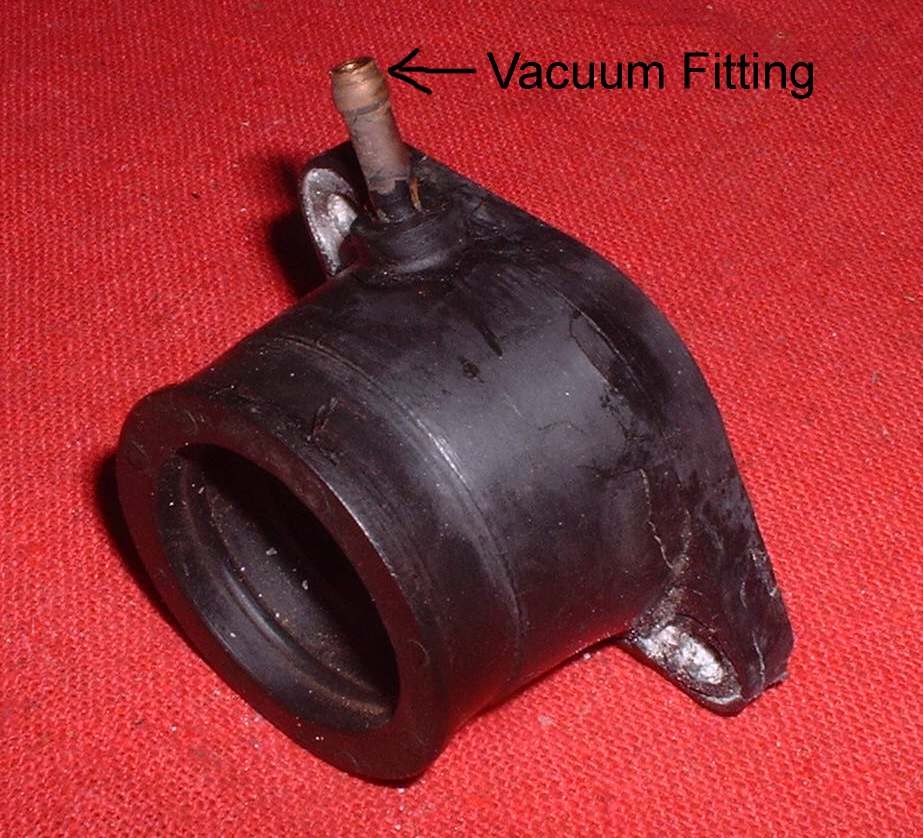
Between the carburettor or throttle body and the cylinder head sits a rubber intake manifold (also called the inlet rubber or insulator). Air that enters through a crack here, or through a loose clamp or an open vacuum pipe, has not passed the jets or been measured by the sensors. The mixture goes lean (too much air). Typical signs: idle too high or hunting, revs that hang, popping, a white spark plug and an engine that runs hot. The K-Light 125 manual lists a cracked throttle body insulator and a loose throttle body nut as causes of unstable or high idle.
Safety
- Run the engine outdoors only, and keep hands and the spray away from the hot exhaust.
- Use plain water for the spray test. Never spray carburettor cleaner, brake cleaner or starting fluid on a hot engine; they can catch fire.
Steps
Look first (engine off, cold)
- Remove side covers or the tank if needed to see the manifold all the way round.
- Bend the rubber gently with your fingers. Look for cracks, especially on the underside and at the bends. Old rubber goes hard and splits.
- Check both clamps or the mounting nuts are tight, and that the carburettor or throttle body sits straight and fully in the rubber.
- Check every small vacuum pipe on the manifold or carburettor: for a vacuum fuel tap, a MAP sensor (it measures intake pressure on injected bikes), an emissions valve, or a blanking cap. A pipe that has come off or split is a leak. A missing blanking cap is a leak.
- Check the air box rubber between the filter and the carburettor. A leak here lets in dirty air but usually does not upset idle.
Spray test (engine running, warm)
- Warm the engine and let it idle. Note the idle speed.
- Spray a fine mist of water at one joint at a time: manifold to head, manifold to carburettor or throttle body, each vacuum pipe end.
- If the idle speed changes or stumbles while you spray one place, water is being drawn in there: that is your leak.
- Stop the engine. Replace the cracked part or tighten the clamp. Fit new O-rings where the manifold bolts to the head.
Two-strokes
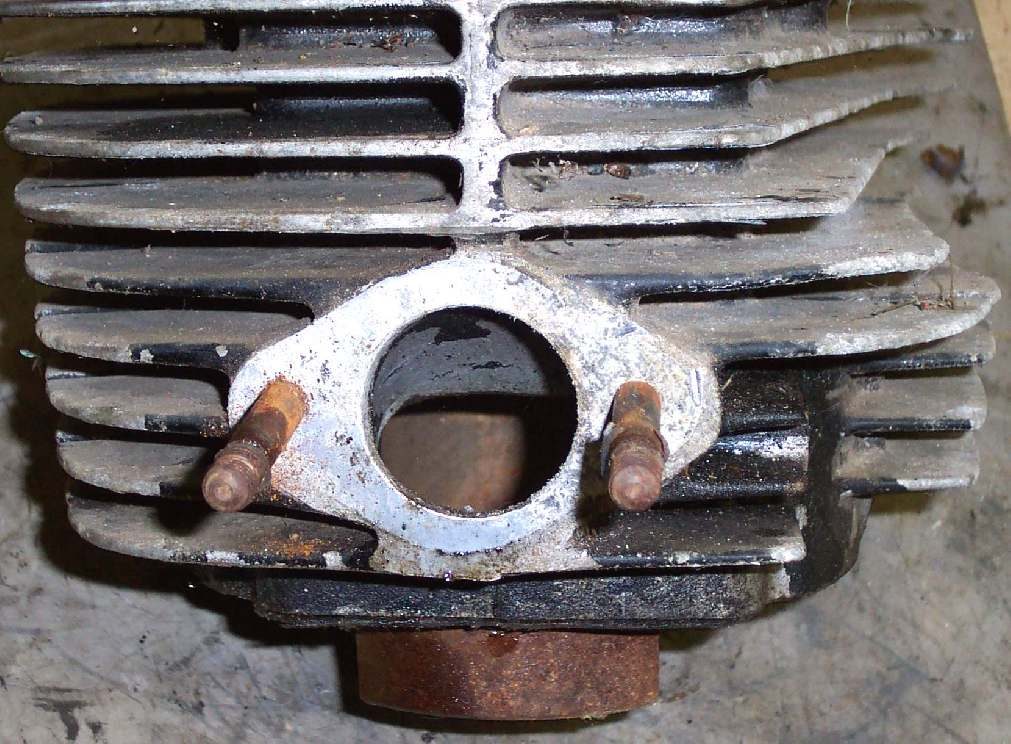
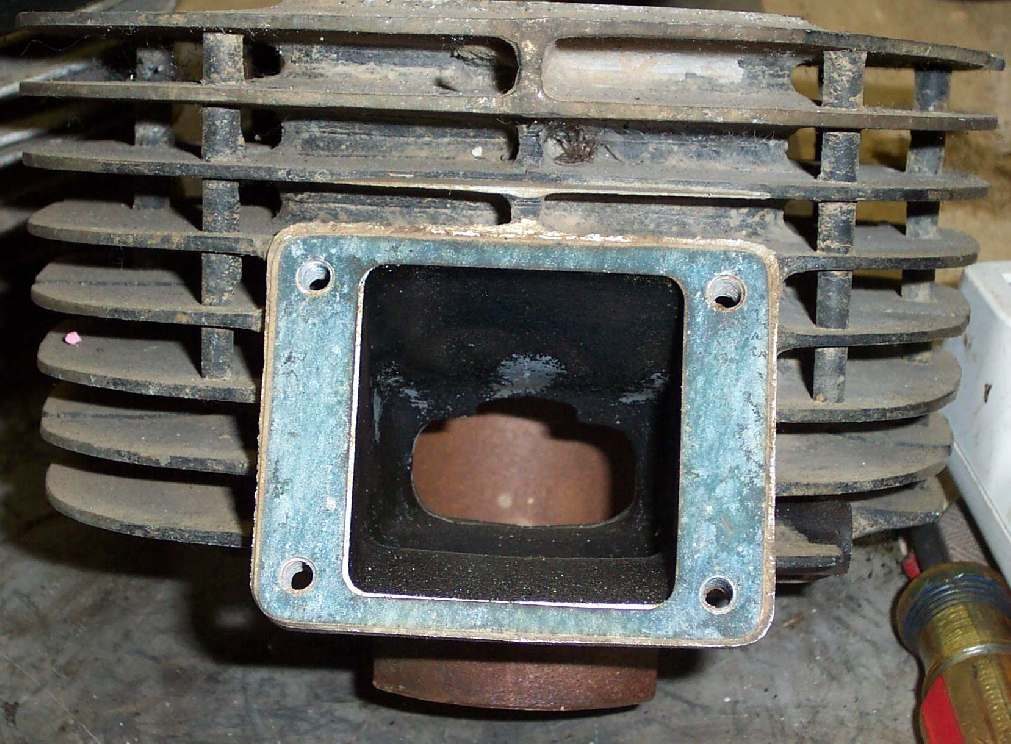
- A two-stroke can also suck air through a worn crankshaft seal or a leaking crankcase joint. This gives a high, hanging idle and can seize the engine. It cannot be found with a spray at the intake; it needs a crankcase pressure test at a workshop.
Check your work
- Idle settles at the correct speed and stays steady when you spray the joints.
- Revs fall back cleanly when you close the throttle.
- On injected bikes, an O2 or MAP fault code (if any) does not come back after clearing. See Read engine fault codes.
If it did not fix the problem
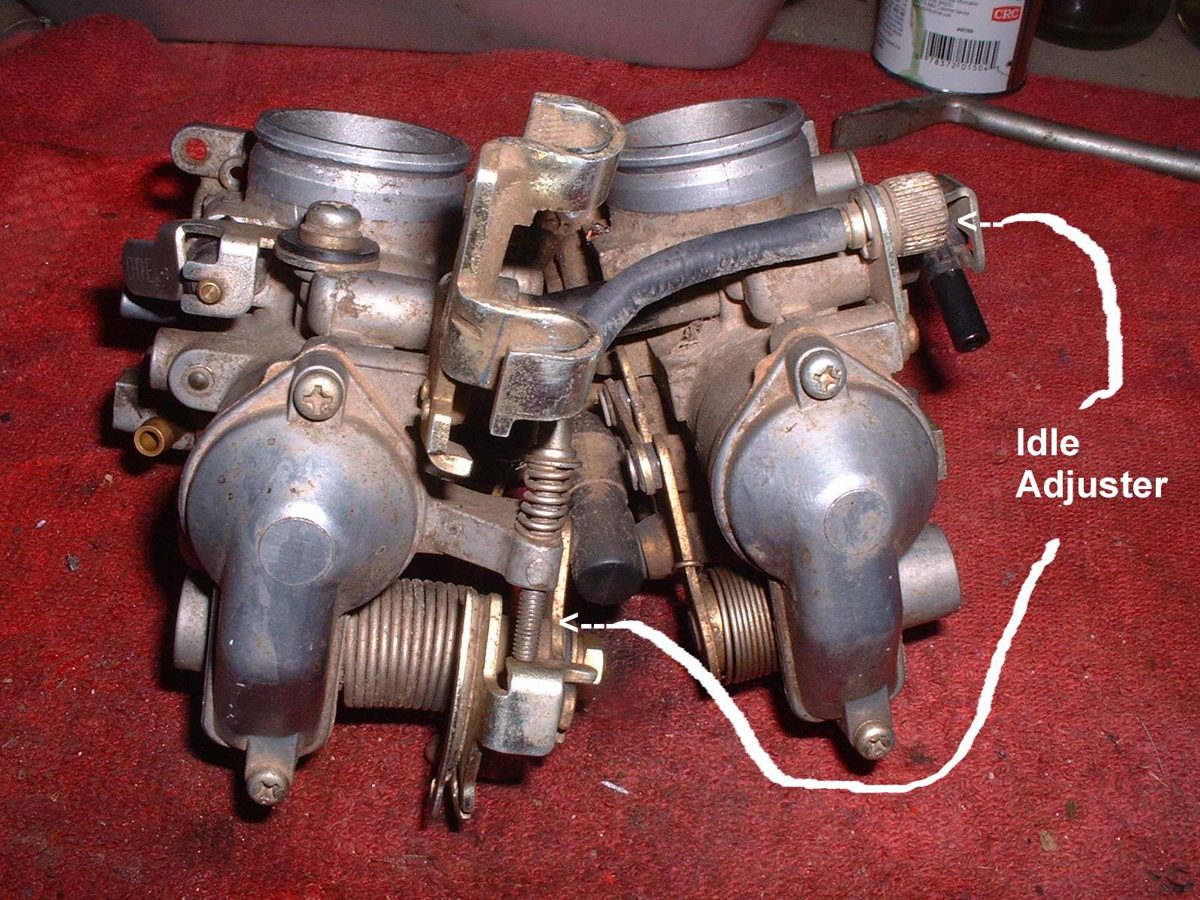
- Idle still high: check throttle free play and the choke.
- Fuel-injected bike: Clean the throttle body. The K-Light 125 manual also lists too large an exhaust valve clearance as a cause of high idle: Check and adjust valve clearance.