
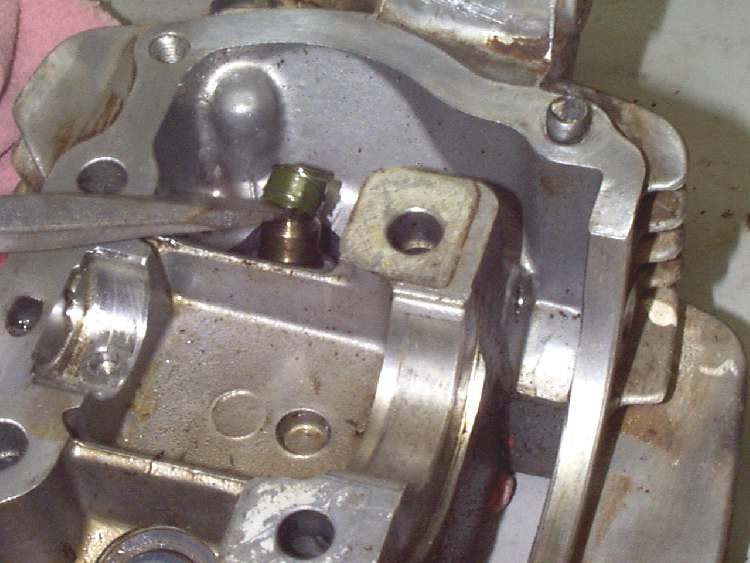
A valve stem seal is a small rubber cap that sits on top of each valve guide. It wipes oil off the valve stem as the valve moves.
What it does
Oil in the head lubricates the valve stem and guide, but too much oil would be pulled into the engine past the stem. The seal lets a thin film through and stops the rest. Some engines have seals on the inlet valves only. Others have none.
Signs it is worn or failing
- Blue smoke when the throttle is closed on a long downhill and opened again, or on first start after standing.
- A wet or oily spark plug on a four-stroke.
- Oil level falling with no leak outside.
- Hard, cracked or flattened rubber when the valves are out of the head.
When to replace it
Replace the seals every time the valves are removed. They are cheap and cannot be reused after being prised off. Replace them if smoke points to oil entering through the head, even without other work.
What to match when buying
- Buy a set of seals for the engine code. One set covers every valve.
- Match the stem diameter of the valve and the outside fit on the guide. Intake and exhaust seals can differ in material.
- Rubber that withstands heat is needed. Choose a known brand seal kit rather than loose unbranded ones.
Fitting notes
- Prise the old seal off gently so the guide is not scratched. See Remove and refit valves.
- Oil the valve stem and the seal before fitting.
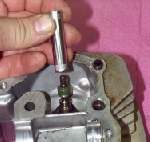
- Push the seal down with a deep socket of the right size so it sits square on the guide, not crooked.
- Fit the spring seat washer before the seal. See Valve springs.