
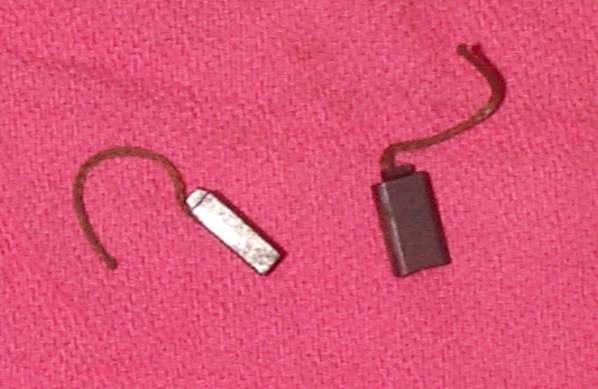
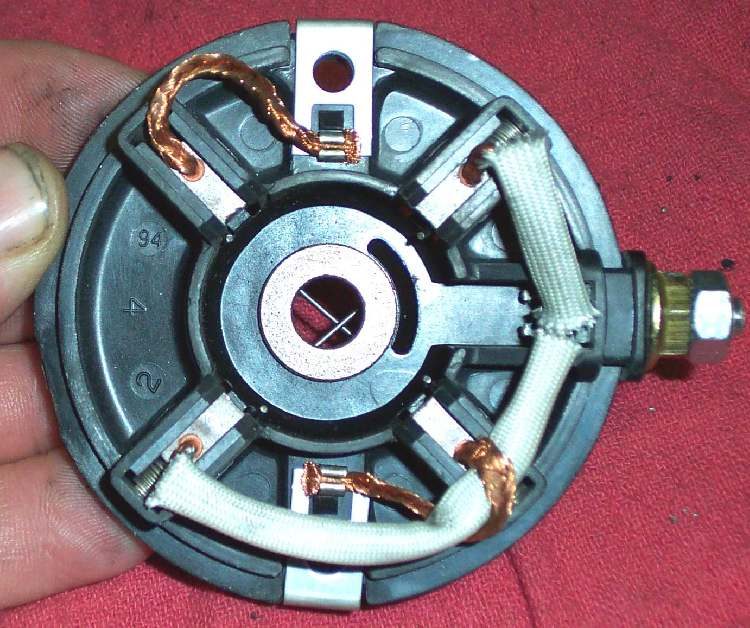
Brushes are small blocks of carbon inside the starter motor. Springs press them against the commutator, the ring of copper segments on the armature. Most starters have two or four brushes. They wear down with use, and are the most common part replaced inside a worn starter.
What it does
Brushes carry battery current into the spinning armature through the commutator. If they are short, oily or stuck, the motor loses power, or does not turn.
Signs it is worn or failing
- Slow, weak cranking with a good battery and good cables: Engine turns over slowly.
- Click or silence at the starter button when the relay and wiring are good: Starter relay clicks but the engine does not turn, Nothing happens when I press the starter button.
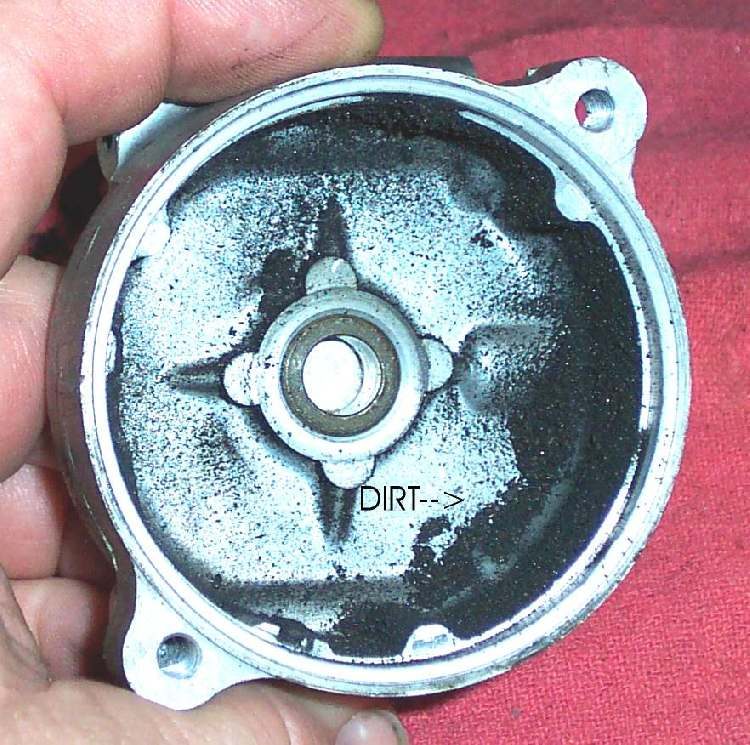
- Brushes worn short, chipped or unevenly worn, or a heavy carbon dust inside the end cover.
- Brush springs weak or broken, brush wire loose.
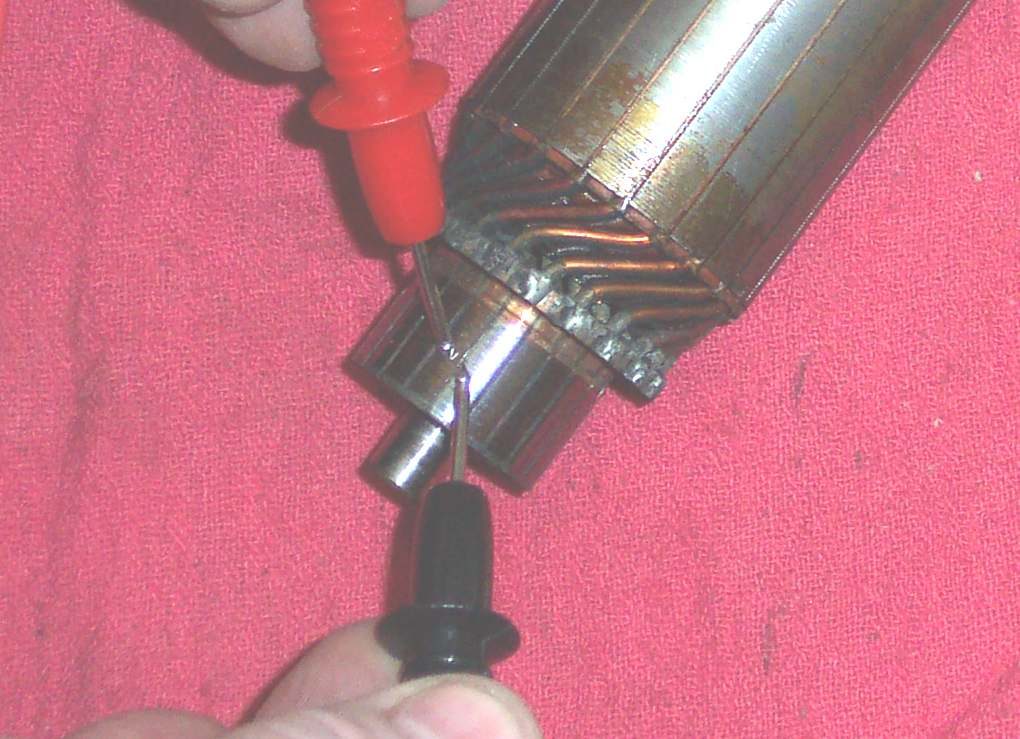
- A rough, burnt or grooved commutator.
When to replace it
Replace the brushes if they are below the wear limit in your bike's manual, cracked or chipped, or their springs are weak. Replace both or all four together. A badly worn commutator may need machining or a new armature.
What to match when buying
- The set for your starter model, not just the bike. Brushes differ in size, shape and wire.
- A complete set, with new springs if sold.
- If the brush plate or holder is worn, buy it together with the brushes.
Fitting notes
- Disconnect the battery first. Mark the alignment of the end covers before opening.
- Clean the commutator, and clear carbon dust from between the segments. The mica between segments may need undercutting if it is high. See Check starter brushes, commutator and armature on the bench and Service a starter motor.
- Make sure each brush slides freely and presses squarely on the commutator.
- Refit with the correct washers and shims. Test on the bench or on the bike before putting the bike back in service.