
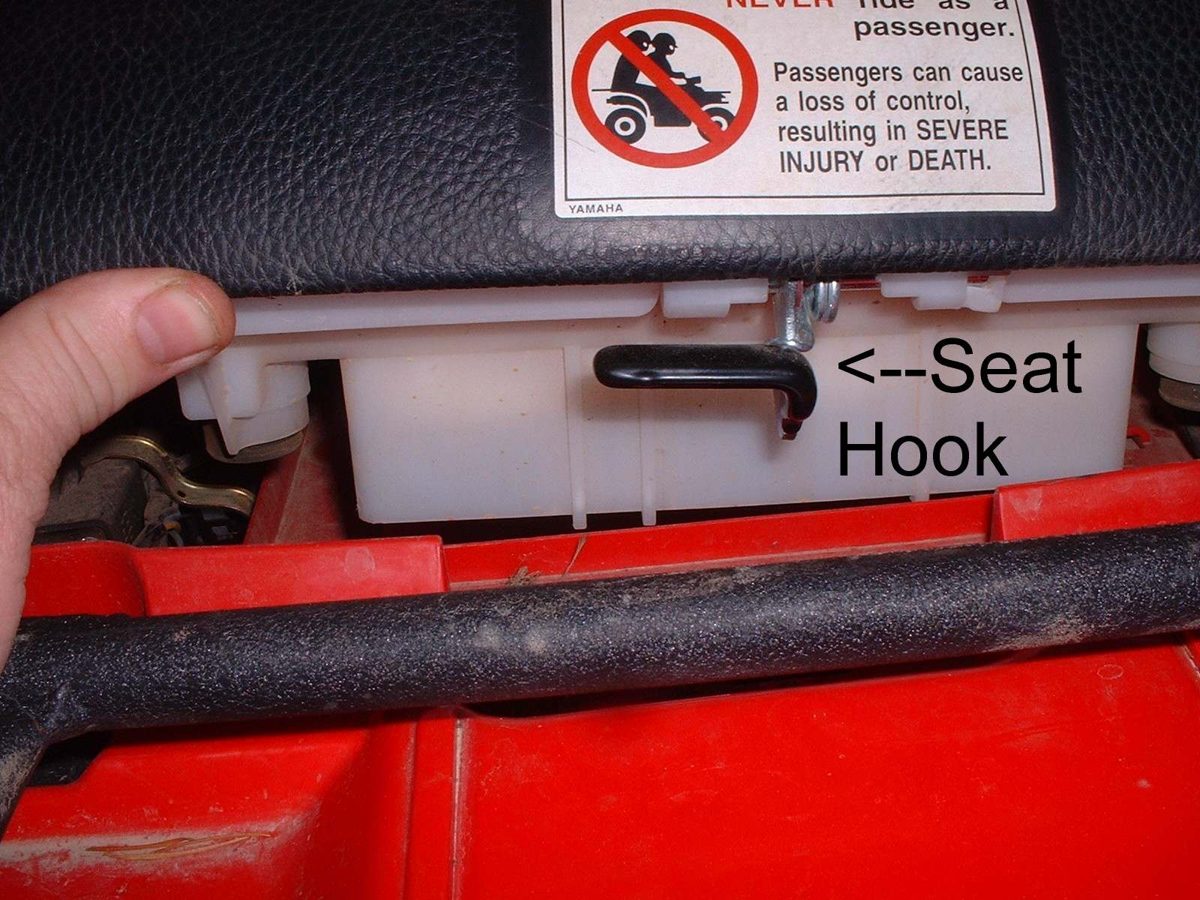
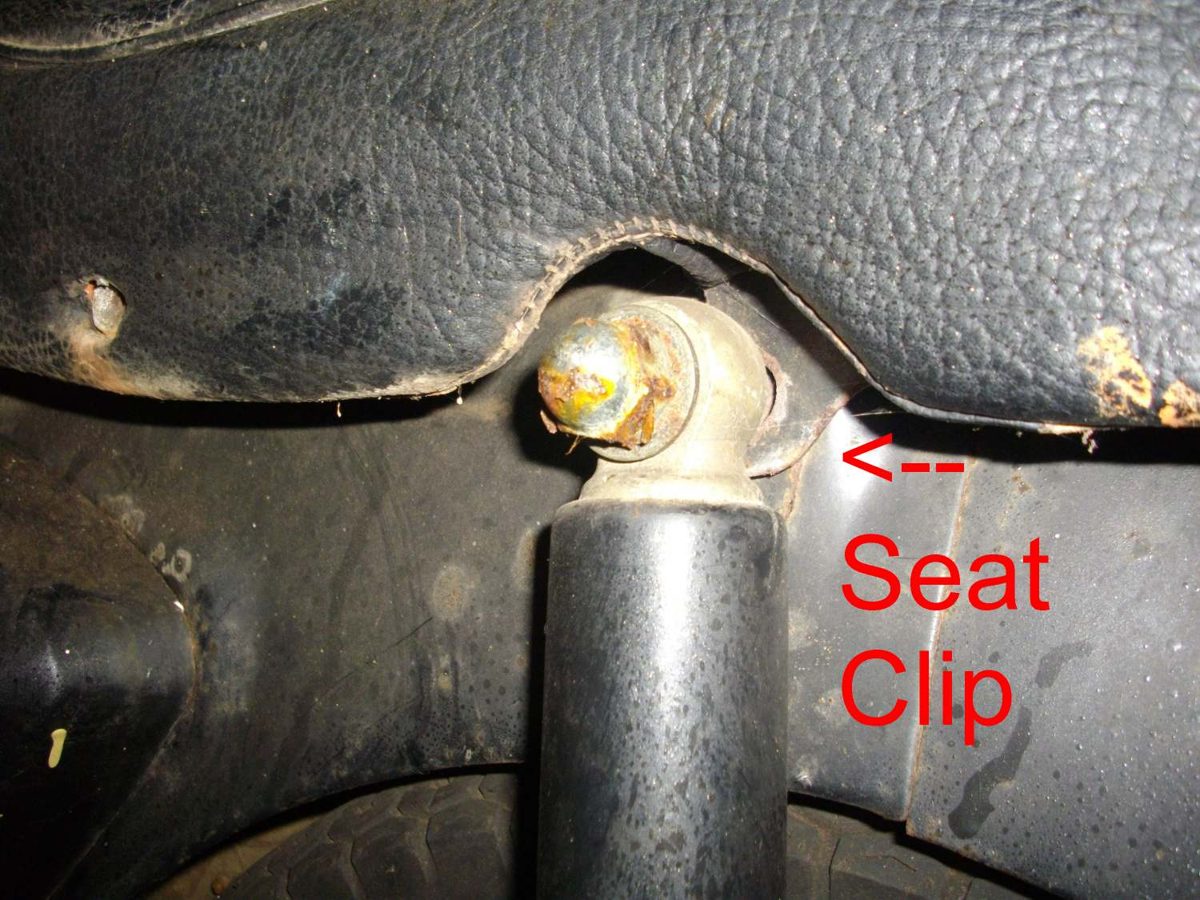
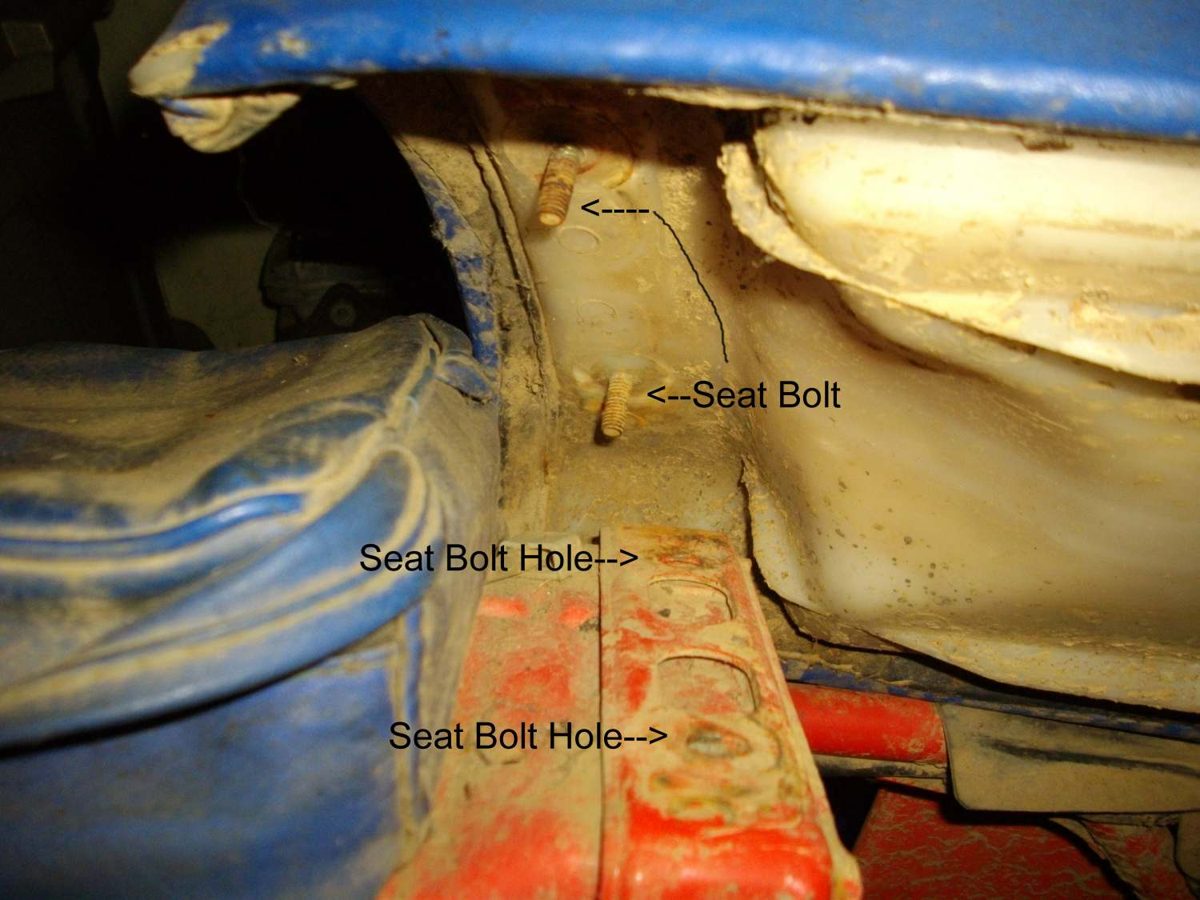
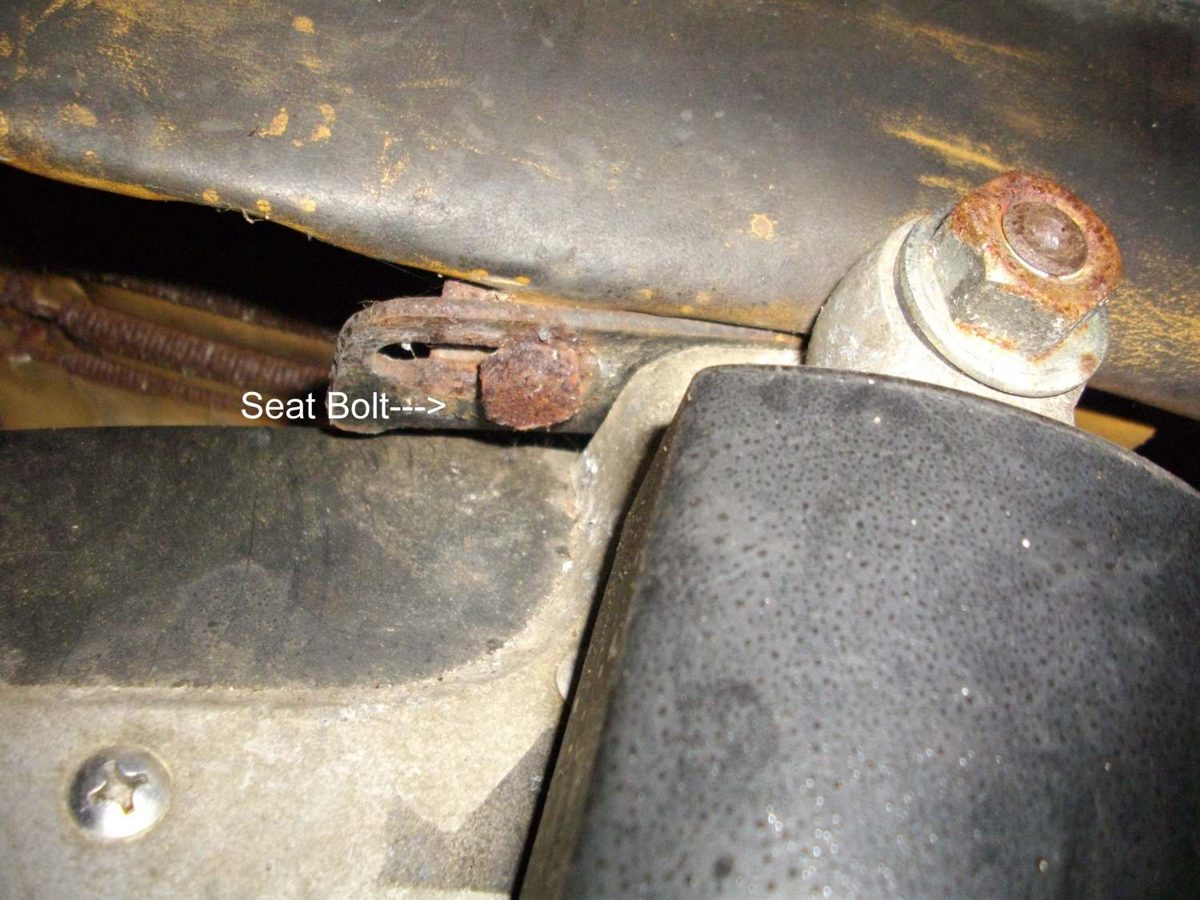
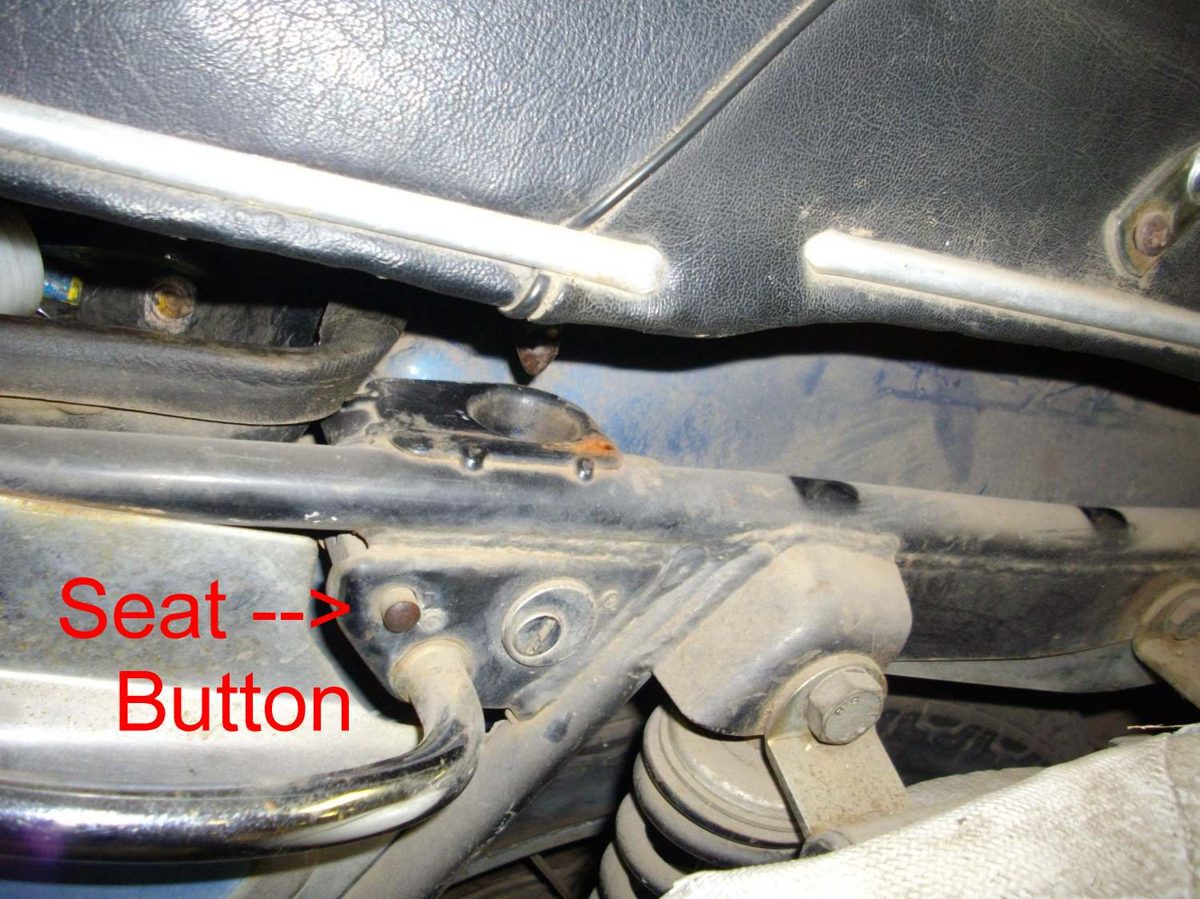
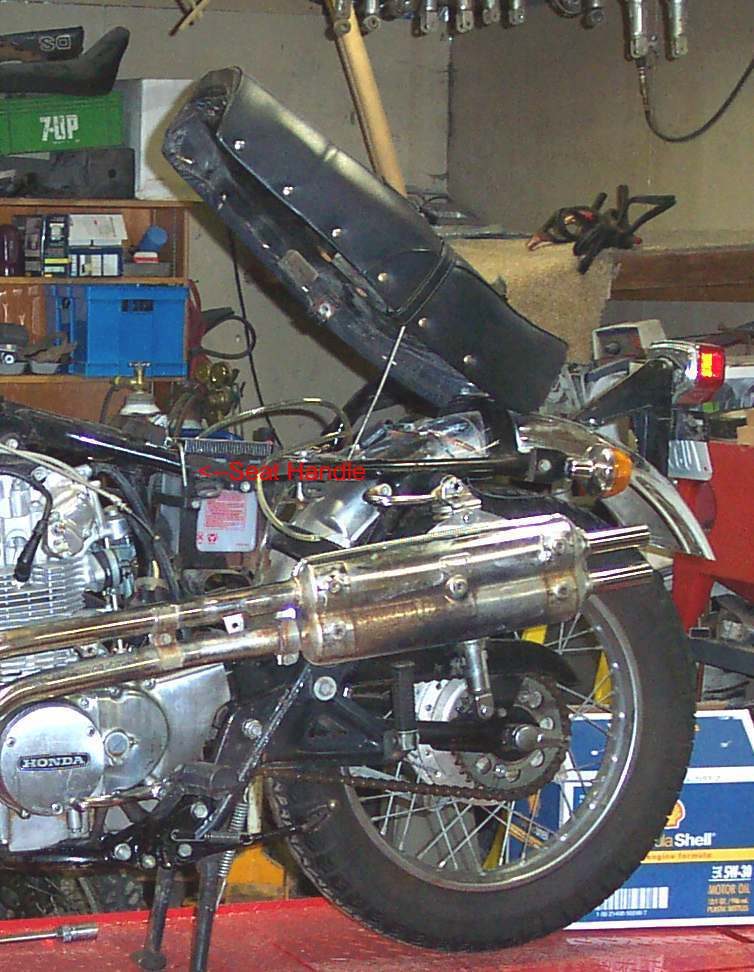
Seat fixings differ from bike to bike. The seat must come off to reach the battery, fuses, tools, fuel tank bolt and rear wiring. Check the manual first. If there is none, use this list of the common types.
Safety
- Switch off the ignition before lifting the seat on bikes with the battery or fuses under it.
- Do not force a lock or latch. Look for the release first.
Steps
Try each place in turn.
- Tool box or lock at the rear: open it with the key and unhook or unbolt the seat from inside.
- Lever or key lock at the side or rear, under the seat: pull or turn it, then lift the seat up and to the rear. Some seats are hooked on both sides with a rod or cable. Check that both sides release.
- Bolts: two bolts at the rear of the seat, or bolts below it, under the rear mudguard or behind side covers. Remove them and slide the seat back.
- Two-piece seats: remove the bolts of the rear (pillion) seat, then the bolts at the back of the front seat.
- Hinged seats: unlock the lever on the side, then the seat swings open to the left or right. Some have no lock.
- Push button on the side: press it, with the key if it is locked.
- Lever at the front or rear: pull it, and the seat lifts and hinges at the opposite end, or lifts off on pegs that sit in rubber grommets.
- Side covers and tool box on some cruisers: remove the covers, then the hinge bolts in the tool box and battery box. Slide the seat forward and lift it off.
Check your work
- The seat sits straight with rubber pads in place.
- Push down and pull up after fitting. It should not move.
If it did not fix the problem
- Latch worn or seat loose: Seat is loose or the seat lock does not work.
- Rattles over bumps: Find and fix rattles.
- Hooks and cables can break or stretch. Replace them rather than repair them.