
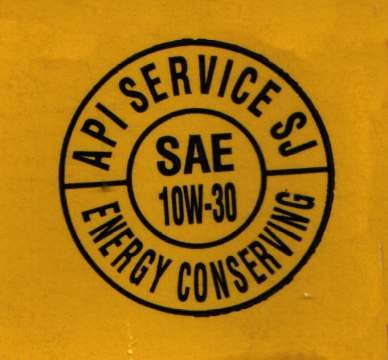
The engine revs rise but the bike does not pull properly, soon after changing to a new oil. On bikes where one oil serves the engine, gearbox and clutch, the oil also reaches the clutch plates. Some modern car oils contain additives that save fuel and can cause a wet clutch to slip.
Is it safe to ride?
Ride with care and avoid hard acceleration. A slipping clutch overheats and can wear out. Change the oil back as soon as you can.
Quick checks first
- Look at the oil bottle for the words "Energy Conserving" and a starburst or donut mark.
- Did the slip start right after the oil change?
- Check the clutch lever has free play: see Adjust clutch lever free play.
Diagnose it step by step
1Does the bottle say Energy Conserving, or is it a light grade of car oil?
- Yes: the oil is the likely cause. Drain it and refill with oil that suits a wet clutch. See Choose engine oil for a four-stroke.
- No: go to step 2.
2Is the free play correct?
- No: adjust it. See the cable page above.
- Yes: go to step 3.
3Did the clutch slip before the oil change?
- Yes: see Clutch slips: revs rise but the bike does not pull.
- No: change the oil first. If the slip stays after a good oil is fitted, see Inspect and replace clutch plates and springs.
Causes, most likely first
| Cause | How to confirm | Fix |
|---|---|---|
| Energy Conserving car oil | Label shows the mark | Change to a wet-clutch oil |
| Wrong oil grade | Grade not in manual | Use the manual grade |
| Worn or glazed plates | Slip continues with good oil | Inspect and replace clutch plates and springs |