
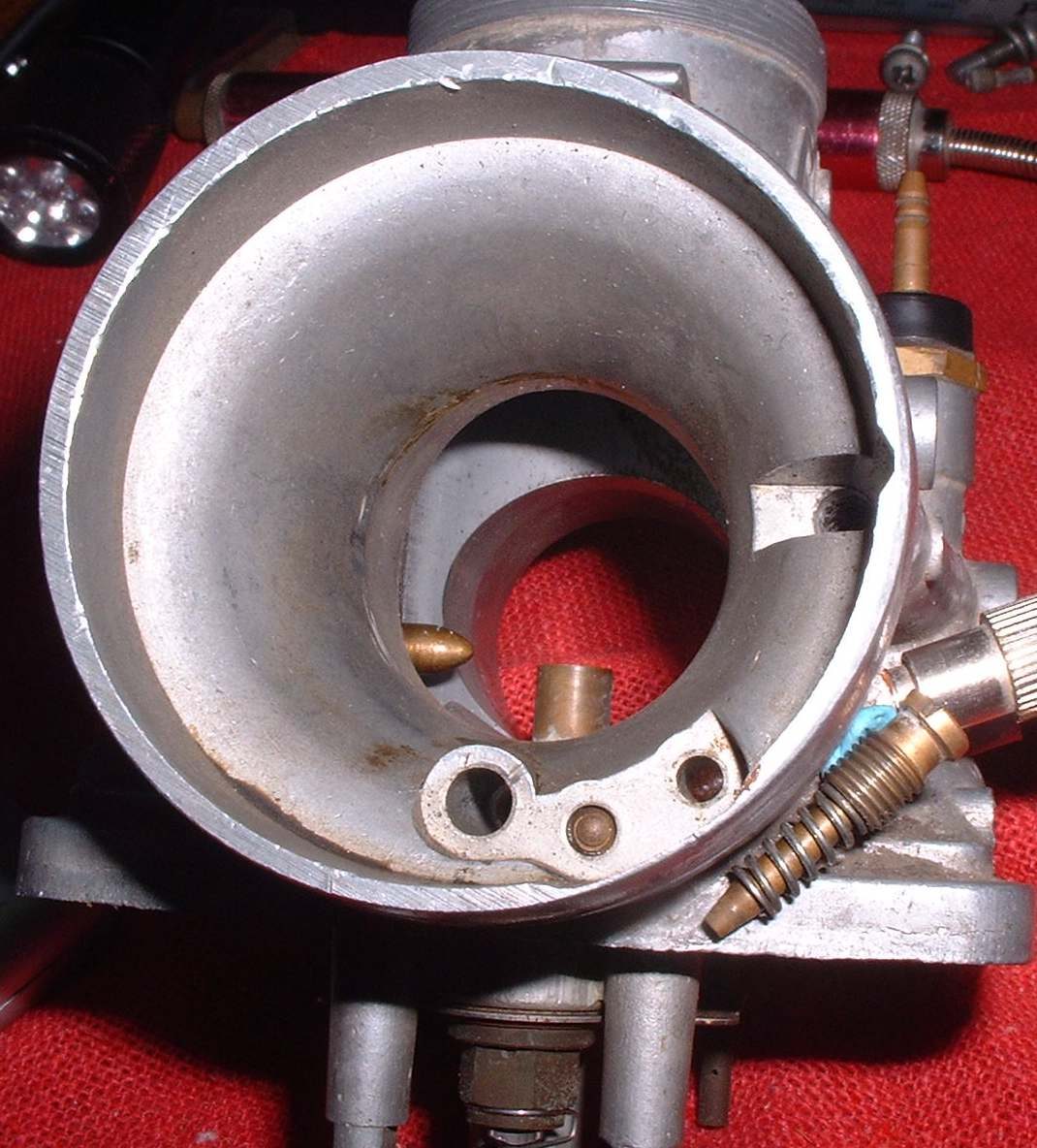
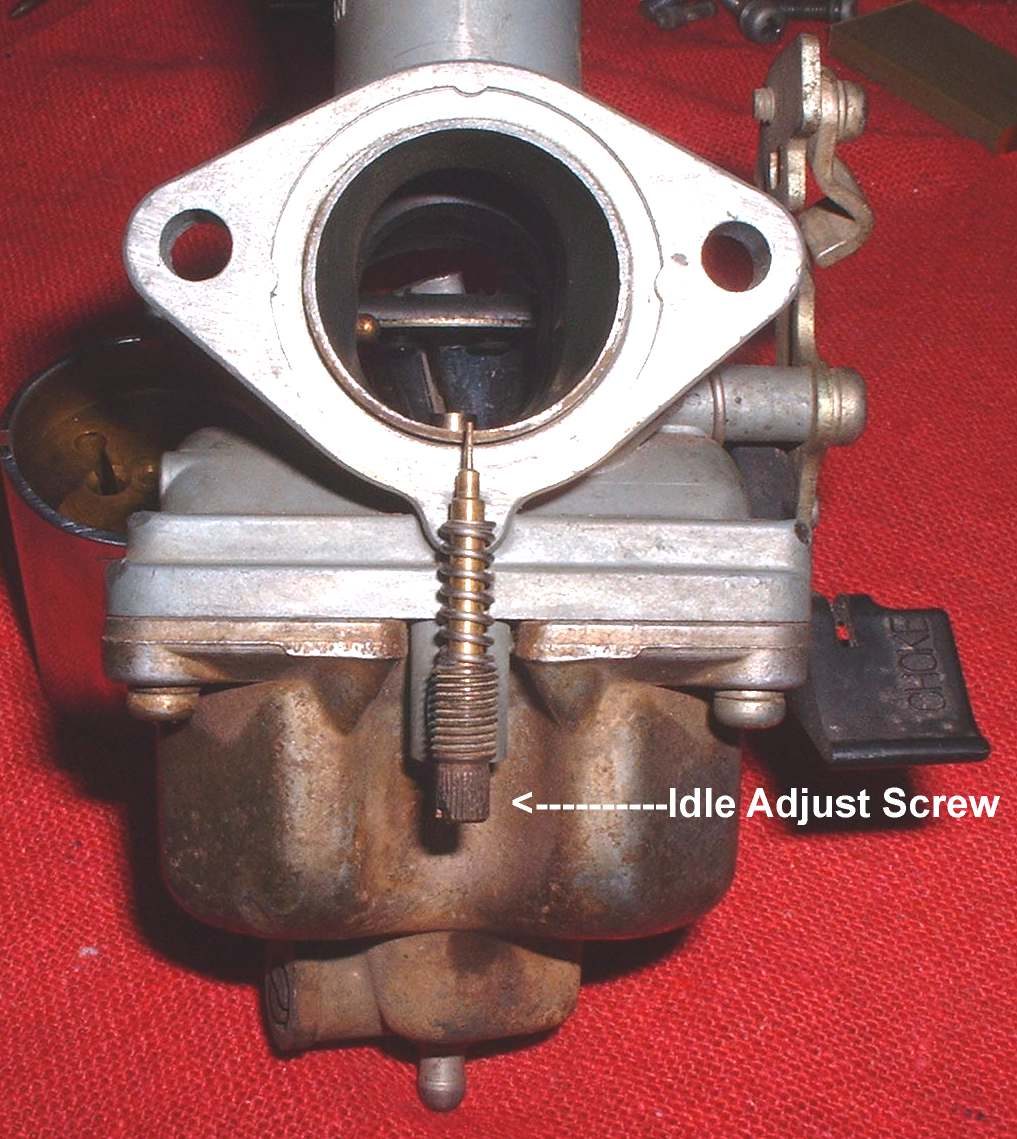
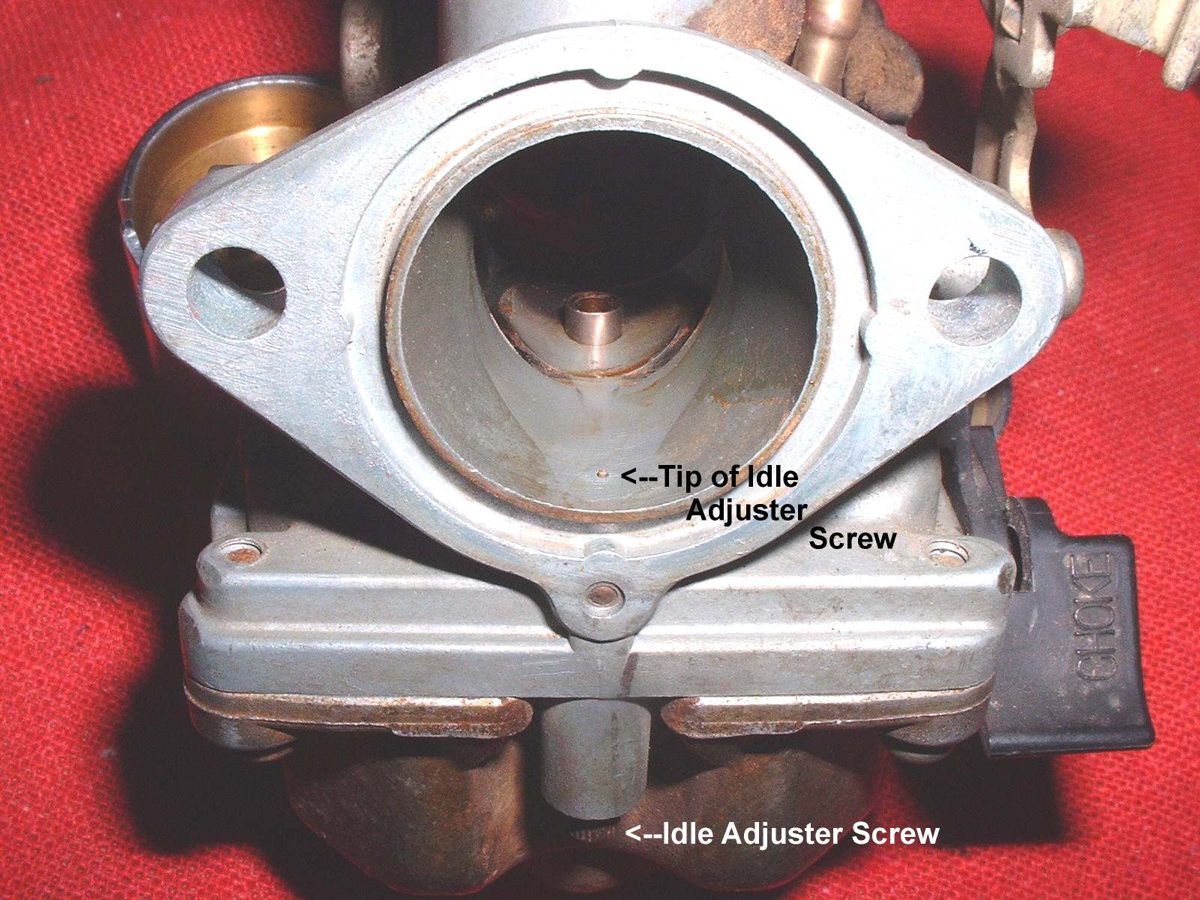
The idle mixture screw is a small spring-loaded screw that sets the mixture at idle and just above. Turning it changes how much air or fuel the idle jet delivers. It is a different screw from the throttle stop screw, which sets the engine speed.
What it does
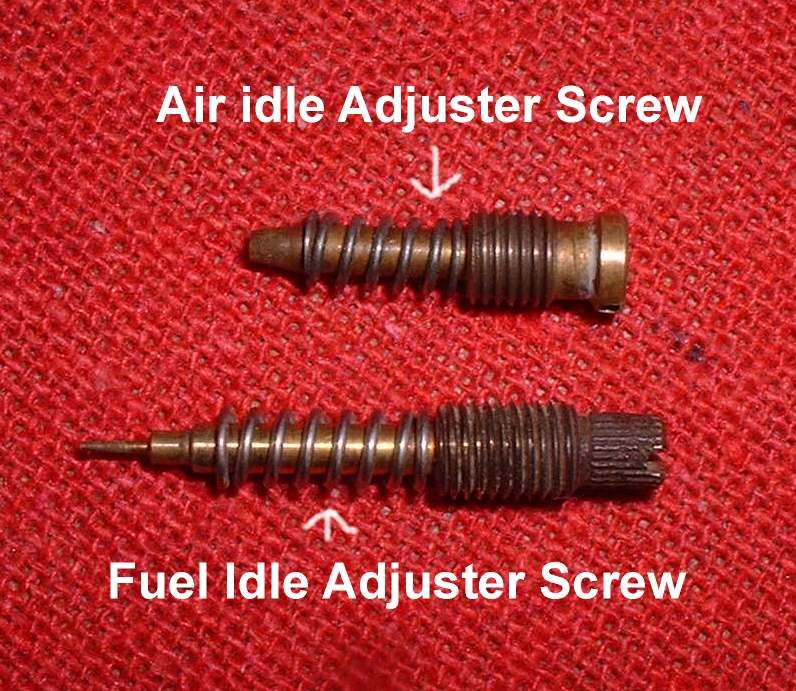
There are two types. An air screw controls how much air from the air cleaner side mixes with the idle jet fuel. It is the most common type and is used on two-stroke and four-stroke engines. A fuel screw is at the engine side and meters the idle fuel direct into the throat. It is finer than an air screw. Turning an air screw in makes the mixture richer. Turning a fuel screw in makes the mixture leaner.
Signs it is worn or failing
- An idle that will not settle at any screw position: Idle speed hunts up and down.
- A screw tip that is bent, grooved or has a damaged seat. Never force it closed. It can mark the seat.
- A missing spring, washer or O-ring under the screw head. Some screws have them, others do not.
When to replace it
Replace the screw if the tip is damaged or the thread is stripped. A worn seat in the body means a new carburettor body or a specialist repair.
What to match when buying
- Carburettor make and model, and the exploded drawing number from the manual.
- Air or fuel type, and the length and thread.
- The spring, washer and O-ring that go with it.
Fitting notes
- Turn the screw in until it just seats, and no further. Then turn it out to the manual's setting. Many carburettors start near 1 to 1.5 turns out.
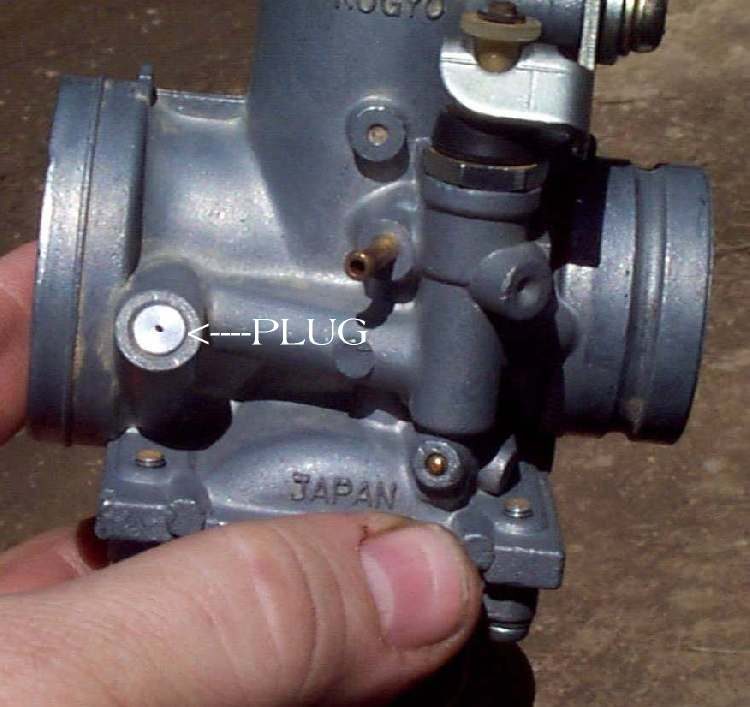
- A cap or plug may cover the screw. Check local rules before removing it. Removing it may be restricted where you live, or on a bike made for racing.
- See Set the idle screw and Adjust carburettor idle speed and mixture.